
SEND
At Evergreen Primary Academy, every child matters. We are committed to supporting pupils with Special Educational Needs and Disabilities (SEND) so they can thrive academically, socially and emotionally
What is SEND?
SEND means a child needs extra help to learn compared to others of the same age. This could be because of one or more of the following areas of need:
- Communication and Interaction (e.g., speech and language difficulties, autism)
- Cognition and Learning (e.g., dyslexia, difficulties with memory or understanding)
- Social, Emotional and Mental Health (e.g., anxiety, ADHD)
- Sensory and/or Physical Needs (e.g., hearing or vision impairment, physical disability).
At Evergreen Primary Academy, we follow the Assess, Plan, Do, Review (APDR) cycle to ensure every child with additional needs receives the right support:
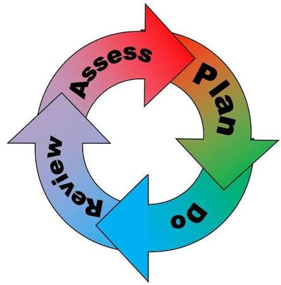
- Assess – We identify a child’s needs through observations, assessments, and discussions with you and the class teacher.
- Plan – Together, we agree on strategies and set targets. These are recorded on the child’s Pupil Passport, which help us track interventions and progress.
- Do – The agreed support is put in place. This may include classroom strategies, small group work, or specialist input.
- Review – We regularly review progress with the parent and the child, updating the plan as needed to make sure support remains effective.
How we support at Evergreen Primary Academy: our Ordinarily Available Inclusive Provision
At Evergreen Primary Academy, we are committed to providing high-quality, inclusive teaching that enables all pupils to access learning, achieve success and feel a valued part of our school community. Through adaptive teaching, targeted support and a nurturing environment, we proactively remove barriers to learning, ensuring every child is supported to thrive academically, socially and emotionally.
- Quality First Teaching – High-quality, inclusive classroom practice that meets the needs of all learners through adaptive teaching, scaffolded support and accessible learning opportunities.
- Targeted Support – Additional support through small-group interventions, personalised strategies and bespoke provision designed to address identified areas of need.
- Specialist Support – Collaboration with external professionals, including Speech and Language Therapists, Educational Psychologists, Occupational Therapists, CAMHS and specialist SEND services, to ensure pupils receive the right support at the right time.
- Partnership with Families – Working closely with parents and carers to understand each child’s strengths, needs and aspirations, ensuring a consistent and collaborative approach.
- Inclusive Environment – Creating a safe, nurturing and accessible learning environment where every pupil feels respected, understood and empowered to achieve their full potential.
Ordinary Inclusive and Targeted Provision Map
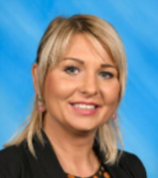
Agata Russe – Academy SENDCo
Ms Russe leads on the support of Evergreen’s learners with SEND.
If you have any worries or concerns about your child, please speak to your child’s class teacher first. If you are still worried, or would like more information, speak to Agata Russe.
Please see our Parent-Carer friendly brief guide, our SEND Information Report, and our SEND Policy for further information.
Parent and carer friendly document
SEND resources for Parents and Carers
Visual social stories and emotional literacy resources
Our collection of visual social stories and symbolised resources supports children in understanding and managing a wide range of everyday experiences, including transitions, emotions, friendships, communication, self-regulation and social situations. These fully editable resources can be tailored to meet the individual needs of pupils, providing consistent and accessible support across both home and school environments.
Information about specific needs
My child has autism
At Evergreen Primary Academy, we understand that every autistic child is unique. Autism is a lifelong condition that affects how a person communicates, interacts with others, and experiences the world around them. Many autistic children may prefer routines and familiarity, have strong interests, or experience differences in sensory processing, communication, and social interaction.
Autism is also known as Autism Spectrum Disorder (ASD) or Autistic Spectrum Condition (ASC). As autism is a spectrum condition, no two autistic children will present in exactly the same way. Some children may experience speech and language difficulties, while others may have strengths in communication but require support with social understanding, emotional regulation, sensory needs, or flexibility of thinking.
At Evergreen, we recognise and celebrate each child’s individual strengths while providing appropriate support to help them thrive both academically and socially. We work closely with families and external professionals to ensure that children receive the support, understanding, and opportunities they need to succeed.
Further Information and Support
The following service offers valuable information, advice, and support for families of autistic children:
MAPS (Merton Autism Parent Service)
https://www.mertonmencap.org.uk/services/merton-autism-parent-service-maps/
MAPS is a listening, support, information, and advice service for parents and carers of children and young people aged 0 to 25 years who have a diagnosis of autism or who are awaiting an autism assessment. The service provides guidance, practical support, and opportunities for families to connect with others who may have similar experiences.
My child has Developmental Language Disorder (DLD)
Developmental Language Disorder (DLD) is a lifelong communication difficulty that affects a child’s ability to understand and use spoken language. Children with DLD may find it difficult to follow instructions, learn new vocabulary, express their thoughts clearly, or understand what others are saying. These difficulties can have an impact on learning, literacy, social interactions, emotional wellbeing and independence.
Every child with DLD is unique. Some children may experience obvious difficulties with communication, while for others their needs can be less visible and may only become apparent as language demands increase throughout their school journey.
At Evergreen Primary Academy, we recognise that strong communication skills are fundamental to learning and wellbeing. We work closely with families and a range of professionals to identify and support children with speech, language and communication needs at the earliest opportunity. Through ongoing assessment, observation and collaboration with external agencies, we develop a clear understanding of each child’s strengths and areas of need.
Support may include:
- Adapted teaching strategies to make learning more accessible.
- Visual supports and communication aids.
- Targeted speech and language interventions.
- Small group or individual support.
- Communication-friendly classroom environments.
- Close partnership working with Speech and Language Therapists and other professionals.
Our aim is to ensure that every child with DLD feels understood, included and supported to reach their full potential both academically and socially.
Further Information
For advice and support regarding Developmental Language Disorder, please visit:
NAPLIC (National Association for Language Impairment in Children)
My child has Dyslexia
Dyslexia is a specific learning difficulty that primarily affects the skills involved in accurate and fluent reading, spelling and writing. It is a neurodevelopmental difference that varies from person to person, and each individual’s experience of dyslexia is unique. Dyslexia is lifelong and often runs in families. It can occur alongside other learning differences and does not reflect a child’s intelligence or potential.
Children with dyslexia may experience difficulties with phonological awareness, reading fluency, spelling, memory, processing speed and organising information. However, many children with dyslexia also demonstrate significant strengths, including creativity, problem-solving skills, resilience and innovative thinking.
At Evergreen Primary Academy, we are committed to creating an inclusive learning environment where all pupils can thrive. We recognise the challenges that dyslexia can present and understand the importance of early identification and targeted support. Our staff use a range of inclusive, evidence-informed strategies to ensure pupils with dyslexia can access learning successfully and develop confidence as learners.
Support may include:
- High-quality adaptive teaching within the classroom.
- Structured phonics and literacy interventions.
- Visual aids and multi-sensory approaches to learning.
- Additional processing time where appropriate.
- Adapted resources and recording methods.
- Support to develop organisation, memory and study skills.
- Close collaboration with parents, carers and external professionals.
We celebrate the strengths of our pupils and work to remove barriers to learning, ensuring that children with dyslexia feel valued, supported and able to achieve their full potential.
Further Information
For advice and support regarding dyslexia, please visit:
My child has ADHD
Attention Deficit Hyperactivity Disorder (ADHD) is a neurodevelopmental condition that can affect a child’s attention, self-regulation, impulse control and activity levels. ADHD is a lifelong condition, although the way it presents can change over time. Every child with ADHD is unique and will experience different strengths and challenges.
Children with ADHD may find it difficult to maintain attention, follow multi-step instructions, organise tasks, manage their emotions or remain seated for extended periods. Some children may appear highly active and impulsive, while others may seem quiet, distracted or daydream frequently. These differences can impact learning, friendships, confidence and emotional wellbeing.
At Evergreen Primary Academy, we recognise that children with ADHD often bring many strengths to the school community, including creativity, enthusiasm, curiosity, resilience and innovative thinking. We are committed to providing an inclusive environment where every child feels understood, valued and supported to succeed.
We work closely with pupils, families and external professionals to develop a clear understanding of each child’s individual needs and to implement strategies that enable them to access learning successfully.
Support may include:
- High-quality adaptive teaching and personalised classroom strategies.
- Clear routines, structure and predictable expectations.
- Visual timetables and organisational supports.
- Movement breaks and opportunities for sensory regulation.
- Support with emotional regulation and social skills development.
- Adaptations to tasks, instructions and the learning environment.
- Regular communication and partnership working with parents and carers.
- Collaboration with health and education professionals where appropriate.
Our aim is to remove barriers to learning whilst celebrating each child’s strengths, ensuring they develop confidence, independence and a positive sense of self. We understand that with the right support and understanding, children with ADHD can thrive both academically and socially.
Further Information
For advice and support regarding ADHD, please visit:
ADDISS (The National Attention Deficit Disorder Information and Support Service)
